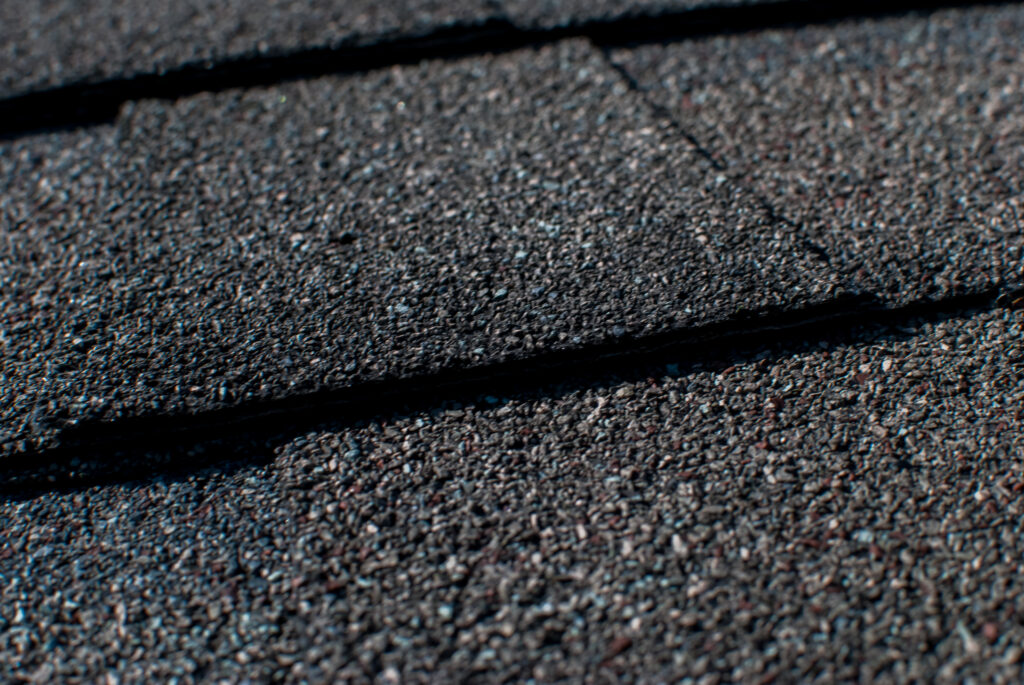
Quick answer: Compare two complete roof systems—not shingle bundles against metal panels. Ask contractors to price the same tear-off, decking assumptions, underlayment, flashing, ventilation, cleanup and warranty scope. In the 2025 Cost vs. Value report’s Atlanta, Georgia example, asphalt replacement cost less than standing-seam metal, but the specified assemblies also differed. Use that comparison as context, not a current quote for your home. (jlconline.com)
1. Identify the exact roof systems before comparing prices
“Asphalt” and “metal” are not sufficiently detailed specifications for an estimate.
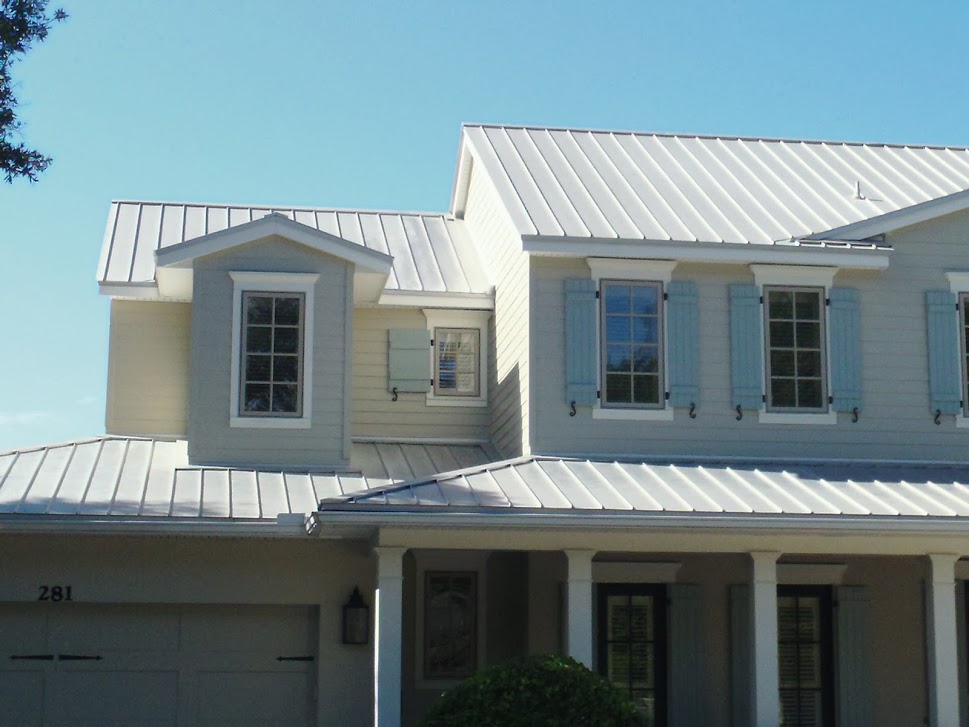
For shingles, request the manufacturer, product line, starter shingles and hip-and-ridge products. For metal, request the manufacturer, panel profile, metal type, thickness or gauge, coating and attachment system. For example, MBCI’s LokSeam is a concealed-fastener standing-seam system offered in several panel widths, gauges and finishes. A proposal saying only “metal roof” leaves those choices unresolved. (shop.mbci.com)
Ask each contractor to identify every roof section, including porches and additions. Product suitability can change with slope: the opened GAF Timberline installation instructions specify a minimum 2:12 slope, while MBCI lists 3:12 for LokSeam. These are product-specific limits, not universal rules for all shingles or metal roofing. (gaf.com)
Before requesting revised bids, ask:
- What roof area and slopes did you measure?
- Are all additions and roof sections included?
- Which exact products will be installed?
- Which installation-manual revision governs the proposal?
Keep measurements and access assessments with qualified contractors; you do not need to climb onto the roof to compare their documentation.

2. Use dated installed costs as benchmarks, not promises
A useful benchmark compares the same location, year and currency. The 2025 Cost vs. Value report for Atlanta, Georgia, lists these job costs in U.S. dollars: (jlconline.com)
| Defined replacement project | Atlanta job cost |
|---|---|
| Asphalt shingles | $29,851 |
| Standing-seam metal | $43,826 |
Both project descriptions assume removal to bare wood sheathing, a rectangular hip roof, flashing at two average-size skylights and a vented ridge. The asphalt specification calls for 30 squares of fiberglass shingles with felt or equivalent synthetic underlayment. The metal specification calls for 3,000 square feet of prefinished standing-seam roofing, premium synthetic underlayment and an ice-barrier membrane at the perimeter. They are similar project models, but not identical assemblies. (jlconline.com)
Worked example: Subtracting the published Atlanta figures gives a $13,975 metal premium, approximately 47% above the asphalt project. That calculation describes these report models; it does not establish what a contractor should charge you. (jlconline.com)
These are 2025 benchmarks, not November 2026 bids. Do not scale them directly to your house or interpret the difference as guaranteed lifetime savings. Use them to frame a better question: What additional scope and documented benefits does the metal premium buy on my property?
3. Compare bids with a side-by-side scope checklist
Give each bidder the same checklist and request written answers. Consumer guidance from the Iowa Attorney General recommends multiple written estimates and contracts identifying materials, price, cleanup, permits, inspections and the change-order process. The checklist below applies that approach to roofing. (Iowa Attorney General)
| Scope item | Asphalt proposal should identify | Metal proposal should identify |
|---|---|---|
| Roof covering | Manufacturer, shingle line, color, starters and caps | Manufacturer, profile, metal, gauge/thickness, coating and color |
| Measured quantity | Roof sections and measured area | Roof sections and measured area |
| Removal | Layers included and disposal | Same—or a clearly described recover alternative |
| Decking | Inspection, repair allowance and additional-work pricing | Inspection, substrate requirements and additional-work pricing |
| Underlayment | Exact products and coverage locations | Exact products and coverage locations |
| Flashing | Valleys, walls, chimneys, skylights, pipes and edges | Same locations, with system-specific trims and transitions |
| Attachment | Compliance with selected shingle instructions | Clips, fasteners and applicable system details |
| Ventilation | Existing arrangement, proposed changes and exclusions | Existing arrangement, proposed changes and exclusions |
| Project costs | Labor, delivery, protection, cleanup and applicable fees | The same cost categories |
| Warranty | Manufacturer coverage and contractor workmanship terms | Coating/material coverage, workmanship and any weathertightness coverage |
The material and installation fields reflect the kinds of components addressed in the manufacturers’ documentation; they are comparison prompts, not a roof design. (gaf.com)
Mark unanswered cells “not specified.” Do not assume that an unmentioned item is included—or excluded. Ask for clarification before comparing totals.
4. Separate tear-off, decking, underlayment and flashing decisions
Start with removal. A full tear-off and an installation over existing roofing are different proposals. The cited Cost vs. Value projects both include stripping the existing covering to bare sheathing; a recover proposal should not be compared with those figures as though it includes that work. (jlconline.com)
For decking, request an inspection process, an allowance if offered, and written unit prices for additional replacement. Ask what those prices cover and how concealed damage will be documented before a change order is approved. This follows the same principle as other contract changes: establish the process before work begins. (Iowa Attorney General)
For underlayment, require the product name and coverage map—not simply “synthetic included.” GAF’s opened instructions distinguish underlayment requirements by roof slope and conditions. Have the contractor explain which detail applies to each roof section rather than choosing a membrane yourself from a generic comparison. (gaf.com)
For flashing, ask bidders to list each location and state whether existing pieces will be retained, replaced or modified. MBCI’s LokSeam manual contains separate details for eaves, valleys, ridges, hips and wall transitions. “All trim included” is less useful than identifying the applicable details and exclusions. (mbci.com)
This is also where roof geometry becomes visible in the scope: count and describe the transitions instead of judging the project solely by its area.

5. Check ventilation and performance claims against documents
Do not let the covering choice replace a discussion of the roof assembly.
GAF’s instructions identify proper underdeck ventilation as important for reducing moisture buildup. Its basic warranty excludes damage resulting from inadequate ventilation. Ask the contractor to explain the existing arrangement, proposed changes and any unresolved moisture concerns. A line reading “new ridge vent” should prompt questions about the rest of the ventilation plan. (gaf.com)
Then ask for evidence behind performance claims:
- Wind: Which product or assembly documentation applies to the proposed installation?
- Hail: What exact test classification is claimed, and what does the warranty actually cover?
- Energy: What product rating and property-specific assumptions support any savings estimate?
- Appearance: What sample, finish documentation and replacement-matching limitations should you review?
Treat these as verification questions, not assumed advantages of either material. For example, MBCI’s manual ties a stated uplift rating to a particular clip-and-fastener arrangement. GAF’s warranty similarly conditions wind coverage on installation requirements and excludes hail damage under its basic warranty. A headline rating is not the same as unrestricted damage coverage. (mbci.com)
If a bidder cannot connect a claim to the exact product and proposed assembly, leave that benefit out of your comparison until it is documented.
6. Compare repair planning and warranty coverage separately
Ask both contractors how a future localized repair would be investigated and priced.
ARMA explains that asphalt roofing components can often be repaired independently. It also notes that matching existing shingles can be difficult and recommends retaining product information and spare shingles where available. That supports asking about repairability; it does not establish that every damaged shingle roof is repairable. (ARMA repair guidance)
Metal is not a maintenance-free purchase. MBCI’s maintenance manual calls for regular inspections, debris management, storm-damage checks and attention to penetrations. It also warns about incompatible metals and modifications. Ask who will provide professional maintenance and what documentation the selected system requires. Do not undertake roof-access or repair work yourself. (mbci.com)
Keep warranty categories separate:
- Manufacturing-defect coverage
- Paint or coating coverage
- Contractor workmanship coverage
- Any separate weathertightness coverage
For example, GAF’s basic Shingle & Accessory Limited Warranty excludes tear-off and disposal costs and reduces certain remedies after its initial protection period. Enhanced warranty options have different requirements and coverage. (gaf.com)
MBCI’s Signature 300 warranty covers specified paint-film performance—not every aspect of the roof. Its separate weathertightness offerings require approval before materials are ordered. Neither a long coating warranty nor a “lifetime” shingle label should be treated as a promise of an all-expenses-paid roof replacement. (mbci.com)
7. Resolve exclusions before deciding whether metal is worth more
Use this final pass to find unlike bids. Request revised proposals if one includes an item that another leaves unresolved:
- Full tear-off versus installation over existing roofing
- New flashing versus reuse “where possible”
- A named membrane versus unspecified underlayment
- A defined decking allowance versus “additional if needed”
- Ventilation assessment versus vent replacement alone
- Manufacturer warranty versus separate workmanship coverage
- Complete project costs versus fees and disposal added later
These are comparison scenarios, not findings about a particular contractor. They illustrate why written materials, scope and change-order terms matter. (Iowa Attorney General)
Then ask each finalist for:
- A revised total covering the agreed scope.
- Separately priced options, rather than a bundled upgrade.
- Written exclusions and concealed-damage pricing.
- The applicable installation documents and warranties.
- A closeout package containing product identification, warranty paperwork and maintenance instructions.
Choose the proposal you can explain. If your priority is the lowest complete upfront price, compare that figure after resolving omissions. If you are considering a metal premium, identify the specific system, appearance, maintenance expectations and documented coverage you are buying.
Do not credit either option with an assumed replacement cycle, insurance discount or energy saving that has not been supported for your project. A complete, verifiable scope is a stronger basis for deciding than the material name alone.