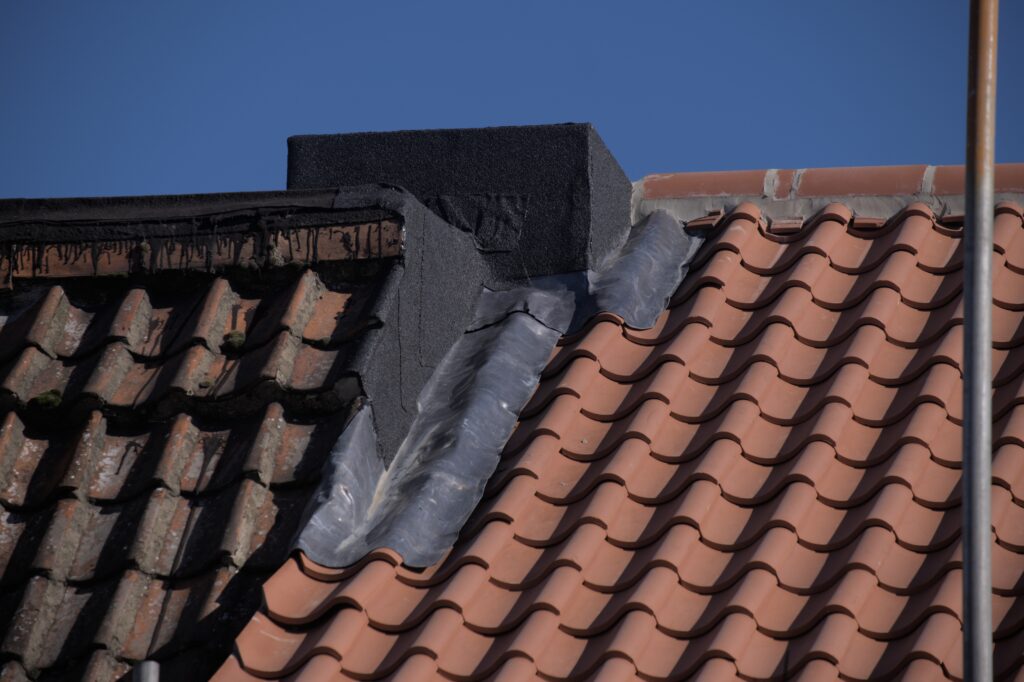
Quick answer: Ask for evidence before approving either roof repair or replacement: a documented problem, its location and extent, a proposed scope, and an explanation of what remains uncertain. Keep further investigation as a third option when the cause is unresolved. GAF’s storm-damage guidance allows for individual shingle repairs and, in some circumstances, replacement of one roof plane—not automatically the whole roof. (gaf.com)
The checklist below is for U.S. homeowners comparing proposals. Its manufacturer examples concern asphalt shingles; do not treat those repair details as instructions for metal, tile, slate or low-slope roofing.
1. Ask what the assessment actually established
Start with: “What did you observe, and what are you inferring?”
Ask the professional to separate the report into:
- Observed conditions: Photographed defects and their locations.
- Proposed explanation: How those observations support the suspected problem.
- Unknowns: Concealed areas, inaccessible sections or questions requiring additional investigation.
A general home inspection has limits. ASHI’s standard covers readily accessible, visually observable components and calls for reporting inspection methods and relevant limitations. InterNACHI’s standard does not require walking the roof, performing a water test or certifying the roof. A report prepared within those limits is not the same as a completed leak investigation. (homeinspector.org)
Before paying for another assessment, request a written scope. Will it include a roof-condition review, investigation of a particular leak, accessible interior observations, or a repair proposal? What deliverable will you receive?
Ask for an annotated roof sketch or photographs identifying each concern. Keep roof access, material lifting, sample removal and testing with qualified professionals; ARMA specifically recommends professional asphalt-shingle repairs because of the safety requirements and risk of damaging adjoining materials. (asphaltroofing.org)
2. Build a repair history—not just an age estimate
Prepare a short record before the appointment:
| Record | What to include |
|---|---|
| Installation documents | Invoice, installation date, product name and warranty paperwork |
| Previous repairs | Location, contractor, date, scope and photographs |
| Leak observations | When water appeared, where you noticed it and relevant weather conditions |
| Follow-up | Whether the symptom returned and what happened next |
| Alterations | Known work around skylights, chimneys, vents or other roof openings |
If a date or product identity is uncertain, label it “unverified.” Do not turn a seller’s recollection into a confirmed installation record.
Ask the assessor to explain how the documented condition—not simply the stated age—supports the recommendation. InterNACHI’s standard expressly excludes predicting roof service life, so a precise claim about “years remaining” deserves questions about its basis and limitations. (nachi.org)
For recurring repairs, ask:
- Were earlier visits addressing the same location and suspected cause?
- Was the work described as temporary or permanent?
- What evidence now supports a different approach?
- Which earlier records did the contractor review?
Use the answers to challenge both shortcuts: “It leaked before, so replace everything” and “The last patch was cheap, so repeat it.”
3. Separate the affected area from the proposed work area
Ask the contractor to mark three boundaries:
- The area where a defect is documented.
- The larger area that must be disturbed to address it.
- The full area included in the price.
Then ask why those boundaries differ.
For storm-damaged asphalt shingles, GAF says individual replacement is possible but cautions that hidden storm damage to surrounding shingles can be difficult to assess. It also says replacement of one roof plane may be possible when damage is confined there. A roof plane means one distinct sloping surface. This supports asking about intermediate options, not assuming every roof qualifies for them. (gaf.com)
Useful questions include:
- What evidence supports the boundary of the damage?
- What adjoining materials must be disturbed?
- How will the proposed work connect with the retained roof?
- Which flashing or accessory components are included?
- What finding would make you expand—or reduce—the scope?
Do not accept a percentage by itself as the explanation. Ask the contractor to identify any applicable manufacturer guidance or local requirement supporting a claimed threshold.
For full replacement, request the specific reason a localized repair or partial replacement would not adequately address the documented conditions.

4. Check repairability, material availability and appearance separately
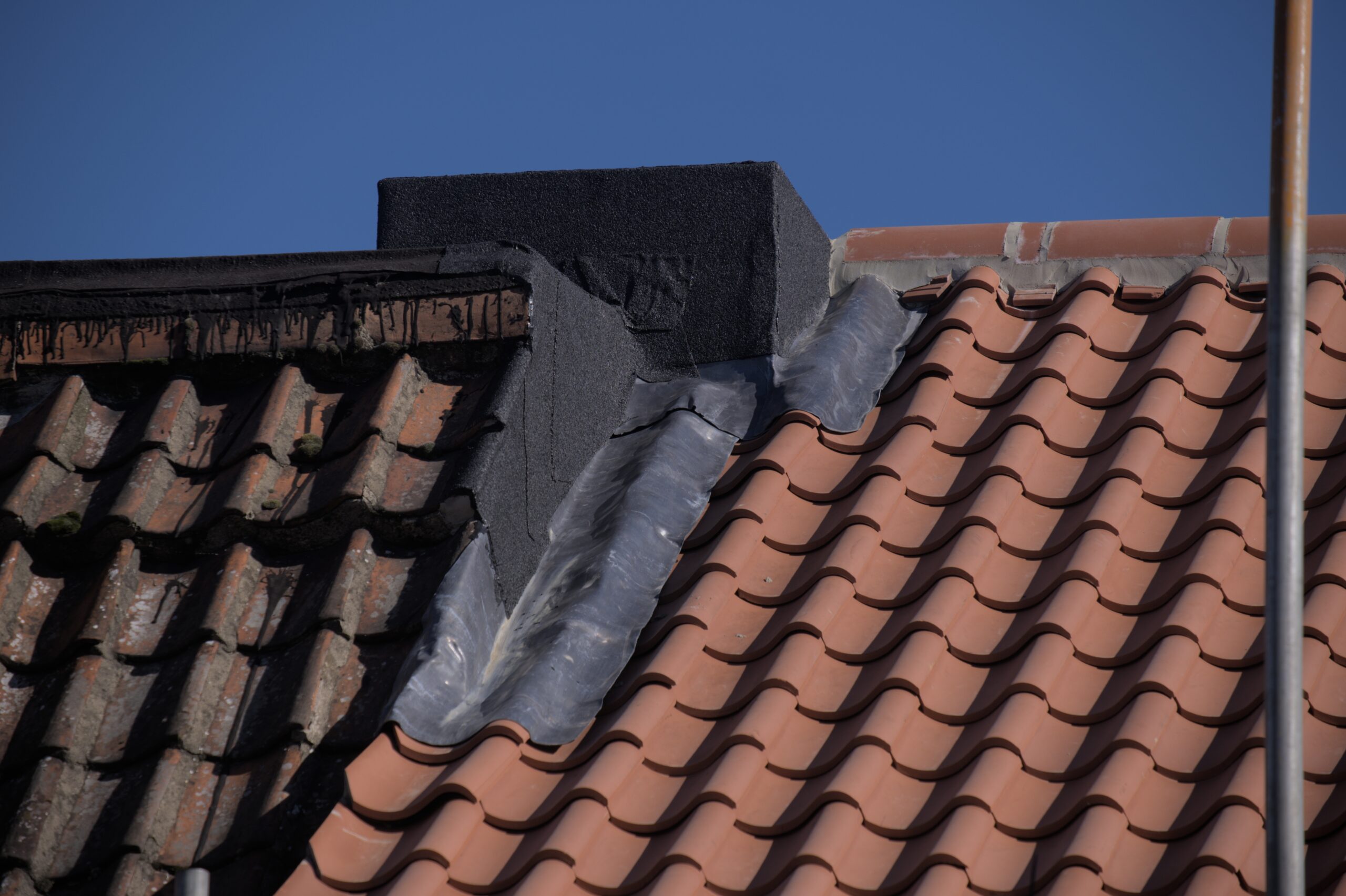
“Can you match it?” is not a complete repairability question.
Ask for separate answers about:
- Product identification: What material is installed?
- Availability: What replacement product is actually obtainable?
- Repair approach: What manufacturer guidance supports the proposal?
- Adjoining materials: Can the work proceed without unacceptable damage?
- Appearance: What visible difference should you expect?
ARMA recommends using retained shingles where available and notes that the original color name and installation year can help identify a suitable match. It also cautions that new shingles may initially look different from weathered shingles, even when the products match. (asphaltroofing.org)
Request the proposed product name in writing. If the contractor says the original product is discontinued, ask how it was identified and what alternatives were checked.
If a repair is described as impractical because of the existing material’s condition, request supporting observations and photographs. Do not authorize an undefined demonstration that could damage the roof without first agreeing on its scope and how any resulting disturbance will be addressed.
Keep the decisions separate: ask whether replacement is being proposed to address performance, appearance, or both. Request that any optional appearance upgrade be priced separately.

5. Read the actual warranty before materials are removed
Find the documents that apply to your installation—not just today’s sales brochure.
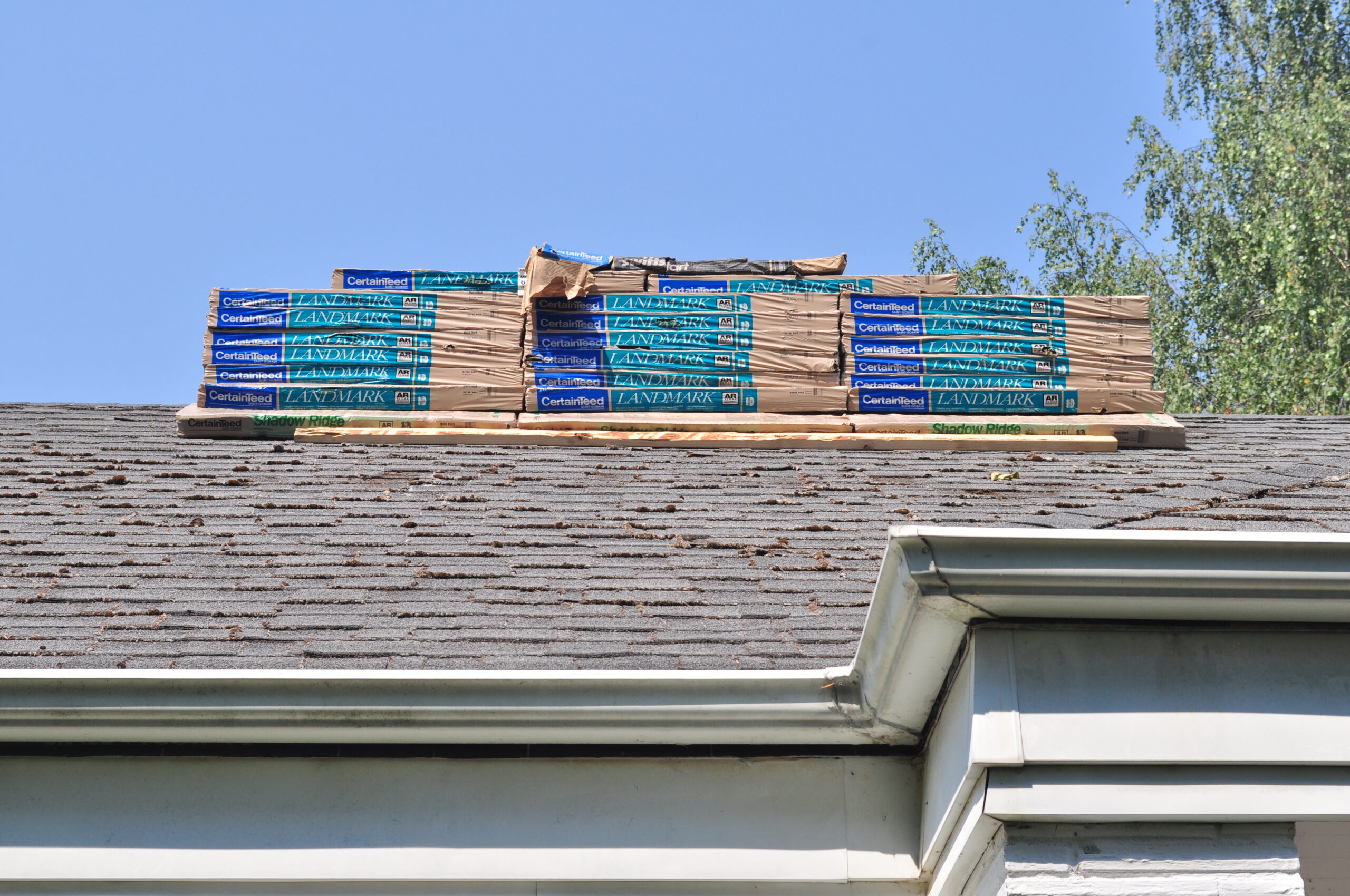
As one manufacturer-specific example, GAF’s Shingle & Accessory Limited Warranty distinguishes manufacturing-defect coverage from other coverage and exclusions. Its remedy can change after the initial protection period, and transfer conditions can affect a subsequent owner’s coverage. Those terms cannot be assumed to apply to another product or an older installation. (gaf.com)
Check:
- Who issued the warranty?
- Which document and installation date apply?
- Was any required ownership transfer completed?
- What cause of damage is alleged?
- Which labor, removal, disposal or flashing costs are included or excluded?
- What notice, photographs or samples are required?
- What warranty will cover the proposed new work?
Timing matters. GAF’s published warranty warns that repairing or replacing products before notification or evaluation may lead to denial of a claim. Its claims page advises owners needing urgent repairs to initiate the claim and tell the examiner that work must proceed. That is a GAF example, not a universal claims procedure. (gaf.com)
If water is entering, promptly ask qualified help about necessary protection while checking applicable notice and documentation requirements. Do not collect roof samples yourself.
6. Compare two hypothetical evidence files
These examples illustrate questions to resolve, not diagnoses or recommendations for an actual home.
Case A: A defined problem with supporting documentation
A homeowner reports one newly observed leak. The assessor provides photographs of a specific flashing concern, documents the adjoining area and proposes a bounded repair. The replacement material is identified, and the proposal explains what remains unverified.
Before approving the repair, ask for:
- The evidence connecting the observed defect to the reported leak.
- A precise repair boundary and included components.
- A process for reporting concealed damage before additional work.
- Completion photographs and written workmanship terms.
Decision checkpoint: Review the defined repair against those documents. Request clarification if the proposal promises to resolve conditions it has not investigated.
Case B: Recurring symptoms with an unresolved explanation
Another homeowner has several repair invoices and repeated water entry. The new estimate recommends complete replacement but supplies only close-up photographs and no roof-wide condition record.
Before approving replacement, ask for:
- A location map comparing earlier repairs with current observations.
- Representative documentation of the areas proposed for replacement.
- An explanation of why a smaller scope would be insufficient.
- Identification of unresolved questions and any further assessment needed.
Decision checkpoint: First request the missing evidence. The history alone does not explain what the proposed replacement will address.
The contrast is documentation, not a prescribed outcome. As GAF’s guidance illustrates, some asphalt-shingle damage can permit localized or single-plane work, while uncertainty about surrounding damage still needs consideration. (gaf.com)
7. Compare written scopes, then make the decision
Give competing contractors the same evidence file. Ask each to explain its proposed scope and any disagreement with other findings.
Use this comparison checklist:
| Item | What to request |
|---|---|
| Assessment | Findings, photographs and stated limitations |
| Scope | Exact work boundaries, materials and exclusions |
| Price | Separate amounts for investigation, protection and permanent work |
| Concealed conditions | How discoveries are documented, priced and authorized |
| Administration | Responsibility for applicable permits and inspections |
| Completion | Cleanup, documentation, payment milestones and warranty terms |
The Iowa Attorney General recommends multiple written estimates and contracts describing work, materials, price, timing, cleanup, permits, inspections and the change-order process. It also warns against pressure to sign immediately and paying the full amount before completion. These are useful comparison practices; verify requirements for your own location rather than treating Iowa guidance as nationwide law. Source: Iowa Attorney General
Avoid approving work while these mistakes remain unresolved:
- Comparing totals without comparing scope.
- Accepting isolated photographs as the entire condition report.
- Treating an appearance concern as an unexplained performance finding.
- Assuming a general inspection eliminated concealed problems.
- Accepting a warranty promise without the governing document.
- Leaving additional-work authorization to a verbal understanding.
Your final question should be: “What documented finding makes this scope appropriate, and what uncertainty will remain after the work?” Ask for the answer in writing before deciding.