Quick answer: Roof replacement quotes can differ because they price different quantities, materials, installation details and repair risks—not simply different profit margins. Before choosing, ask each contractor to reconcile the roof measurements, removal work, flashing, ventilation, decking allowances and exclusions. Compare the same written scope, then examine price. GAF’s homeowner guidance identifies roof size, slope, materials, labor, permitting and disposal as estimate inputs. (gaf.com)
The checklist below focuses on U.S. asphalt-shingle replacement. The worked Raleigh, North Carolina, example uses invented USD amounts to demonstrate comparison arithmetic, not verified bids or a local price forecast.
1. Start with roof area—not the home’s floor area
Ask every bidder to show the measured roof surface area and the quantity of shingles being ordered. Roofing quantities commonly use a square, meaning 100 square feet of roof surface. Slope and roof complexity also affect the estimate. (gaf.com)
Keep these three quantities separate:
- Interior floor area: Do not use the home’s listing size as the roofing quantity.
- Measured roof surface: Ask which garage, porch and addition roofs it includes.
- Material order: Ask how much extra material is included for cuts and waste.
For a simplified geometry example, assume a roof has a horizontal projected area of 2,000 square feet, including overhangs, and every plane has a 6:12 slope. Its sloped surface would be approximately:
2,000 × √(1 + (6 ÷ 12)²) = 2,236 square feet, before any material-order allowance.
That is about 22.36 roofing squares—not 20.
Practical check: If two estimates show different quantities, request their measurement reports. Ask whether each number represents actual roof area or ordered material. Do not climb onto the roof to settle the discrepancy.

2. Separate access, tear-off and disposal assumptions
Steeper roofs can require more labor, and removal and cleanup belong in the estimate rather than appearing unexpectedly afterward. (gaf.com)
Ask bidders to describe their assumptions about:
- Roof pitch, building height and difficult-to-reach sections.
- Where deliveries and debris containers will go.
- Whether materials or debris must be carried through restricted access.
- Protection for landscaping, driveways, siding and gutters.
- How many existing roofing layers will be removed.
- Container rental, hauling, disposal charges and final cleanup.
For existing asphalt-shingle roofs, the Department of Energy’s Building America Solution Center describes a replacement scope that removes existing shingles and underlayment, replaces damaged sheathing and checks deck attachment. A quote for that work is not equivalent to one proposing a new covering over existing roofing. (basc.pnnl.gov)
Practical check: Ask for an additional-layer price before signing if the existing layer count is uncertain. Also ask whether disposal has a weight allowance and what happens if it is exceeded.
A combined “tear-off and disposal” line is acceptable for comparison if its written description answers those questions. The goal is clarity, not a separate price for every task.
3. Compare the roof assembly, especially flashing
Request the exact manufacturer and product line—not just “architectural shingles”—plus a written description of the accompanying components.
For example, the GAF Timberline LayerLock installation instructions available during this research specify deck conditions, underlayment, fastening, slope limitations and ventilation considerations. Those requirements illustrate why a shingle name alone does not define the installation. They are product-specific, not universal specifications for every roof. (gaf.com)
Use this comparison list:
| Component | What to clarify |
|---|---|
| Field shingles | Exact product, color and permitted substitutions |
| Underlayment | Product and proposed coverage |
| Leak-barrier membrane | Product and locations included |
| Starter and ridge-cap shingles | Products and quantities |
| Drip edge | New or reused, material and extent |
| Flashing | Replacement or reuse at each relevant location |
| Warranty | Written coverage, exclusions and any registration charge |
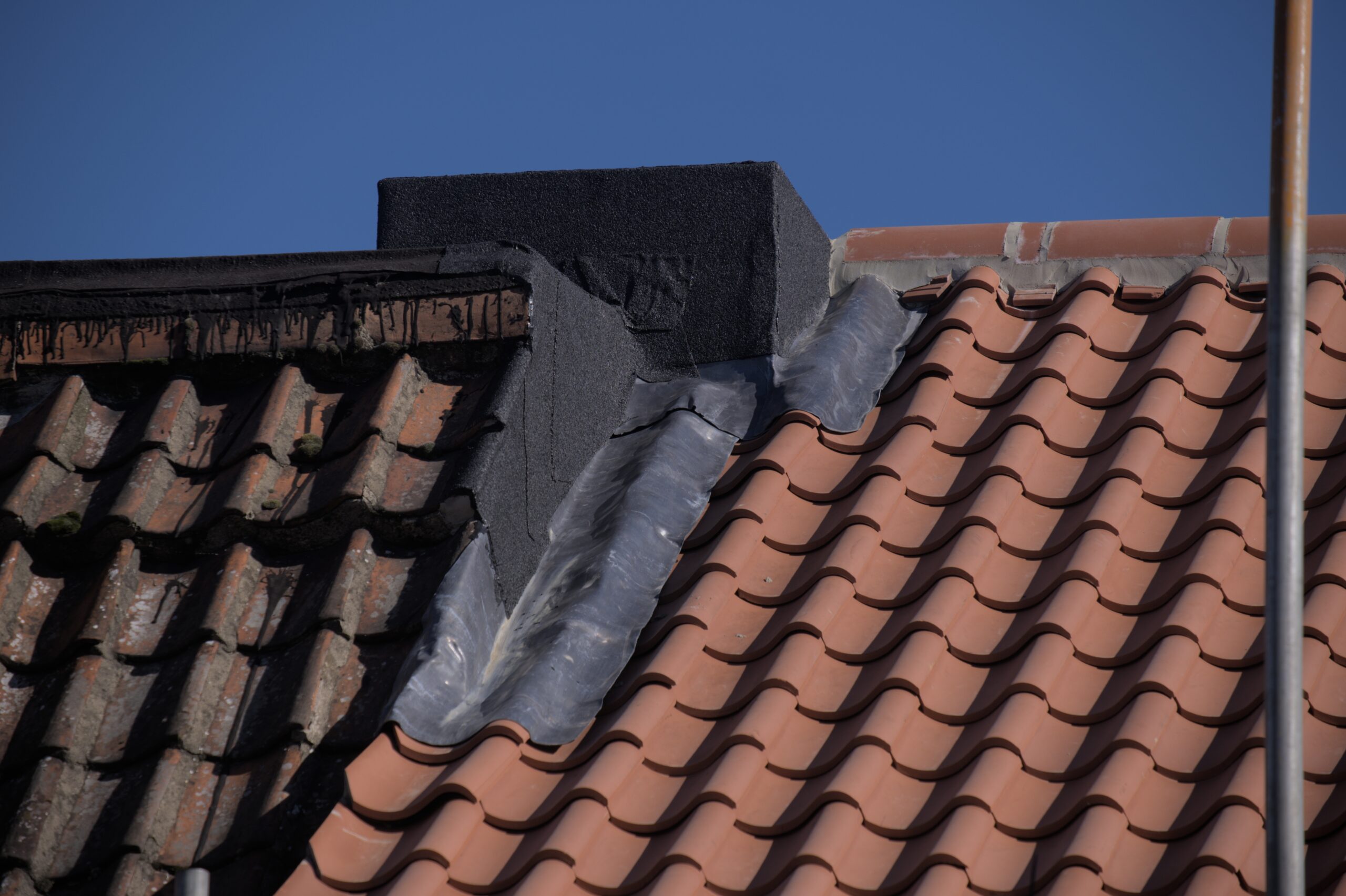
Pay particular attention to chimneys, roof-to-wall intersections, valleys, skylights and pipe penetrations. Building America guidance calls for flashing to be integrated with the roof’s water-management layers and replaced as needed during reroofing. (basc.pnnl.gov)
Common mistake: Treating “all flashing included” as a complete specification. Ask what will be replaced, what may remain and who decides whether existing flashing is suitable for reuse.
Request the applicable manufacturer documents and warranty terms. Do not assume that a longer-sounding warranty label covers every material, labor cost or installation problem.

4. Put decking repairs on a measurable basis
Decking is the roof sheathing beneath the covering. Damaged sheathing is part of the replacement assessment described in Building America’s existing-roof guidance. (basc.pnnl.gov)
Ask each contractor to put these terms in writing:
- The quantity of decking replacement included.
- Whether that quantity is a fixed inclusion or an allowance.
- The installed price for additional work.
- The panel material, thickness and unit size covered by that price.
- Whether removal, fastening and disposal are included.
- How damage will be documented and changes approved.
Request photographs and an explanation before authorizing additional repairs. Ask the contractor to distinguish routine panel replacement from structural work requiring a separate assessment.
Practical check: Do not compare a price “per sheet” with one “per square foot” until both are converted to the same basis. Also clarify whether partial sheets trigger a full-sheet charge.
Avoid accepting “replace bad wood as needed” without a price mechanism.
5. Require a ventilation plan and a permit answer
A ventilation line should identify the proposed work, not simply name a ridge vent. GAF’s cited instructions call for appropriate underdeck ventilation and a design meeting applicable requirements. (gaf.com)
Ask the contractor:
- What roof or attic assembly is being evaluated?
- What intake and exhaust provisions already exist?
- What will be retained, added, removed or corrected?
- What assessment supports the proposed change?
Do not select a ventilation package by vent count alone. Request a written explanation appropriate to the house.
For permits, ask who will confirm requirements, apply, pay fees and arrange any required inspections. Raleigh’s residential guidance says requirements depend on project scope; project cost alone does not determine whether a permit is required. (raleighnc.gov)
For a dated local reference, Raleigh’s FY2027 fee guide applies from July 1, 2026, through June 30, 2027. It lists a $124 minimum trade permit fee and shows $129 including the technology surcharge. That is a minimum fee reference—not a universal reroof permit price or a determination that your project needs a permit. (raleighnc.gov)
Ask the contractor to distinguish government charges from its own permit-handling charge.
6. Worked example: reconcile two Raleigh quotes
Assume two hypothetical contractors price the same measured 25-square asphalt-shingle roof in Raleigh, using the same selected shingle product and a one-layer tear-off.
Every amount below is illustrative USD, not a researched market rate or actual contractor offer. Assume applicable taxes are included. Government permit fees, if required, are excluded from both totals.
| Scope item | Quote A | Quote B |
|---|---|---|
| Shingles, underlayment, starter, ridge cap and installation | $10,400 | $10,400 |
| One-layer tear-off | $2,400 | $2,400 |
| Container, hauling and disposal | $650 | $650 |
| Flashing work | $450: limited replacement | $1,250: broader specified replacement |
| Ventilation work | $250: limited work | $750: specified corrective work |
| Decking replacement | None included; $150 per additional sheet | Five sheets included; $120 per additional sheet |
| Access, property protection and cleanup | $700 | $700 |
| Quoted scope total | $14,850 | $16,750 |
Initially, A is $1,900 lower, but the scopes differ.
For this illustration, suppose A provides a written revision matching B’s flashing and ventilation work:
- Additional flashing scope: $800.
- Additional ventilation scope: $500.
A’s comparable total before decking becomes $16,150, versus B’s $16,750, which includes five sheets.
Now suppose eight sheets actually need replacement:
- A: $16,150 + (8 × $150) = $17,350.
- B: $16,750 + (3 × $120) = $17,110.
Under these assumptions, B finishes $240 lower, excluding any required government fees. If no decking needed replacement, the outcome would differ; also check whether unused allowances receive credits.
The lesson is not that higher bids win. It is that scope and repair terms can change the ranking.
7. Build a contingency around named unknowns
Keep your own reserve separate from the contractor’s quoted total. Use it to test specific uncertainties rather than assuming a universal contingency percentage.
Create three budget lines:
- Agreed scope: The work and fixed inclusions you intend to buy.
- Known possible extras: Additional decking, uncertain tear-off layers or another explicitly priced item.
- Unresolved work: Items needing investigation before you can assign a defensible amount.
In the example, eight decking sheets provide a useful scenario—not a prediction. Ask each bidder to calculate the same scenario using its written terms.
Use regional cost evidence only as context. The 2025 Cost vs. Value Report lists $25,983 for its Raleigh asphalt-shingle roofing project. Its published specification describes 30 squares, a rectangular hip roof, removal to bare sheathing, new underlayment and flashing, two skylight flashing treatments and a vented-ridge treatment. (jlconline.com)
That dated, defined project is not a current quote for your house. Do not use it to validate or reject a bid without comparing the underlying scope.
8. Make the final decision from revised written quotes
Before selecting a contractor, use this final check:
- The measured roof area and material-order allowance are clear.
- Both quotes cover the same roofs and selected products.
- Tear-off layers, disposal and cleanup are defined.
- Flashing replacement and reuse decisions are documented.
- Ventilation work has an explained basis.
- Decking inclusions, unit prices and approval procedures are written.
- Permit responsibilities and excluded charges are explicit.
- Payment milestones, warranty documents and completion terms are available.
Also request evidence of insurance and verify whatever credentials your jurisdiction requires.
Then ask each bidder one final question: “What could increase this price, and how would I approve that change?”
Resolve vague answers before signing. Once the scope is genuinely comparable, you can weigh price alongside the contractor’s qualifications, documentation and proposed terms.